5G vs 4G : is 5G really better in 2026 ?
Contents
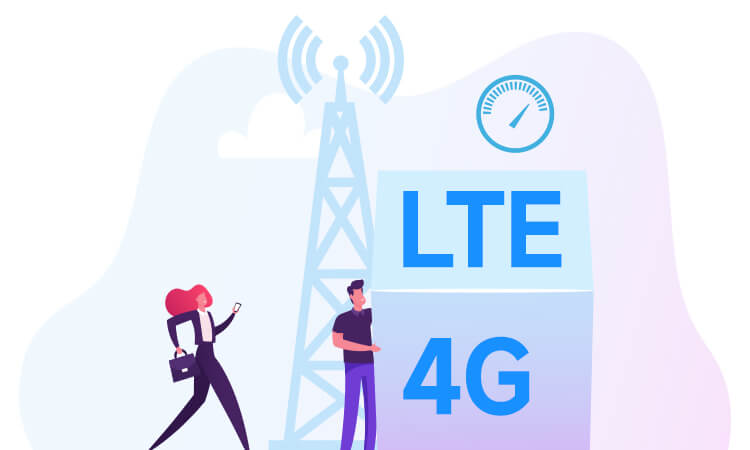
5G has become the new mobile telephony standard, but many still wonder : is it really better than 4G ? Downloading a movie in 2 seconds sounds magical — but what about real-world conditions, on the train, in a rural area or from your apartment ?
This guide compares 5G and 4G across three fundamental technical axes : speed, base station architecture and massive MIMO. It details the concrete uses enabled by 5G (autonomous vehicle, telemedicine, Industry 4.0) and assesses the state of deployment in France in 2026.
Speed : 5G vs 4G in practice
The most visible feature of 5G is its very high throughput :
| Technology | Peak throughput | Average throughput 2024-2025 | Time for 2 GB |
|---|---|---|---|
| 4G Cat 4 | 150 Mbps | 30-60 Mbps | 5-10 min |
| 4G+ Cat 6-9 | 300-450 Mbps | 80-150 Mbps | 2-3 min |
| 4G++ Cat 12-16 | 600 Mbps - 1 Gbps | 150-250 Mbps | 1-2 min |
| 5G NSA | 1-2 Gbps | 300-600 Mbps | 30-60 sec |
| 5G SA | 4-10 Gbps | 500 Mbps - 2 Gbps | 10-30 sec |
| 5G mmWave (rare) | 10-20 Gbps | 1-5 Gbps | 2-10 sec |
The gain comes from two factors :
- High-frequency radio waves (3.5 GHz and 26 GHz mmWave) which enable wider channels (100 MHz and more versus 20 MHz in 4G)
- Device-to-device communication : within the same cell, two smartphones can exchange data without going through the base station, saving radio resources and reducing latency
Downloading a 4K movie (2-4 GB) : 5-10 minutes on standard 4G, 30 seconds on 5G NSA, less than 10 seconds on optimal 5G SA.
Base stations and frequencies
5G signals use higher frequencies (3.5 GHz massively in France, 26 GHz mmWave in pilot phase). The higher the frequency, the shorter the range and the greater the attenuation caused by obstacles :
- 800-900 MHz (4G rural) : range 5-10 km, passes well through walls
- 1800-2600 MHz (4G urban) : range 1-3 km
- 3.5 GHz (5G C-band) : range 300-800 m
- 26 GHz (5G mmWave) : range 100-300 m, barely passes through walls
The result : far more 5G base stations are needed than 4G to cover the same area. Hence the emergence of small cells (microstations) : compact, inexpensive, integrable into street furniture (lampposts, bus shelters), they densify the network at a controlled cost.
Irregular 5G coverage in 2026
Even in 2026, full-power 5G remains concentrated in dense cities. In rural areas, you are often on 4G+ with a simple "5G" badge on your smartphone (low-frequency 5G NSA signal, very close to 4G+). Check coverage on monreseaumobile.arcep.fr before buying a 5G CPE.
Massive MIMO and beamforming
In 4G, each station used at most 8 antennas. In 5G, we move to massive MIMO : modern stations feature 64, 128 or 256 antennas arranged in an array. Advantages :
- Beamforming : the station actively directs its beam toward each user instead of transmitting in all directions
- Multiplied capacity : 4-8× more simultaneous users per cell
- Energy efficiency : less power wasted in areas without users
- Reduced interference : narrow beams = less overlap between cells
On the smartphone side, the antenna becomes tiny thanks to the high frequency of the waves — allowing several antennas to be integrated into a slim chassis. The iPhone 15+ and Galaxy S22+ carry 6-8 5G antennas.
Latency and real-time uses
5G does not only improve speed : it drastically reduces latency :
- 4G : 30-50 ms
- 4G+ : 20-40 ms
- 5G NSA : 15-25 ms
- 5G SA : 5-15 ms (target : 1 ms)
- 5G URLLC (ultra-reliable low-latency) : < 1 ms
This latency reduction unlocks uses impossible on 4G :
- Autonomous vehicle : instant reaction to obstacles
- Surgical telemedicine : remote robotic control in real time
- Industry 4.0 : synchronisation of robotic arms on a production line
- Augmented/virtual reality : streaming with no perceptible delay
- Cloud gaming : experience comparable to local
New uses enabled by 5G
1. Connected and autonomous vehicles
5G enables V2X (Vehicle-to-Everything) communication : traffic lights, other vehicles, connected pedestrians. Essential for level 4-5 autonomous driving.
2. Industry 4.0 and private 5G networks
Factories are deploying their own private 5G SA networks (Airbus Toulouse, Renault Douai, Schneider Le Vaudreuil). Benefits :
- Real-time robot control without cables
- IoT traceability of each part
- Network slicing to isolate critical flows
- Enhanced security (native segmentation)
3. Telemedicine and e-health
Remote-assisted surgery, augmented-reality consultations, real-time monitoring of ambulances en route to the hospital.
4. Smart city
Dynamic traffic management, adaptive lighting, incident detection by AI cameras, smart meters by the thousands on a single square metre (5G mMTC).
5. 5G boxes for homes and businesses
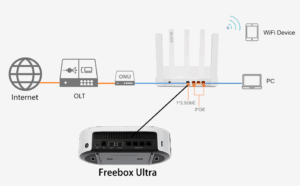
5G CPEs offer a credible alternative to fibre in areas not yet eligible for FTTH. Typical speeds of 300-800 Mbps, plug-and-play installation with a SIM card.
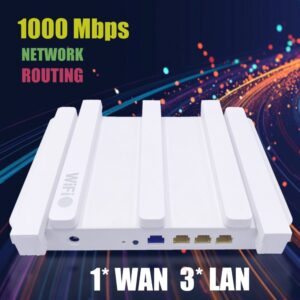
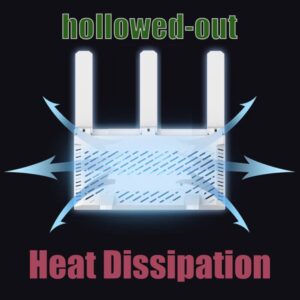
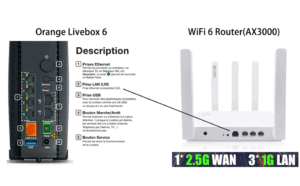
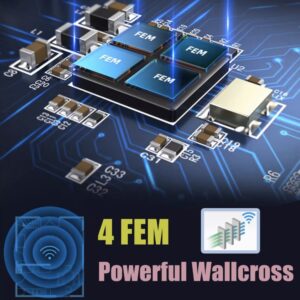
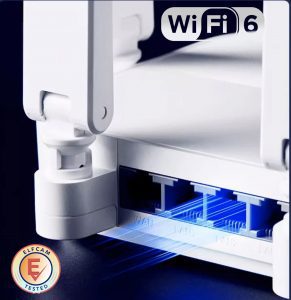
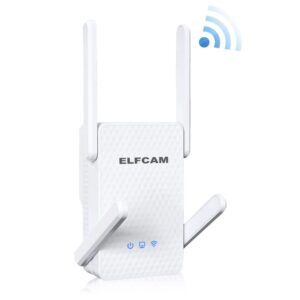
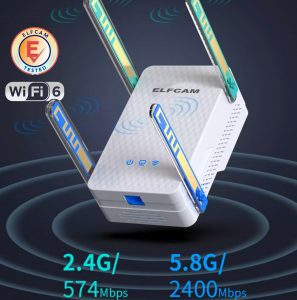
WiFi 6 hardware to complement your 5G CPE
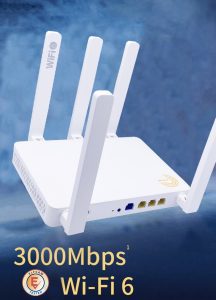
- WiFi 6 Mesh Router AX3000 — plugged in behind your 5G CPE for modern WiFi
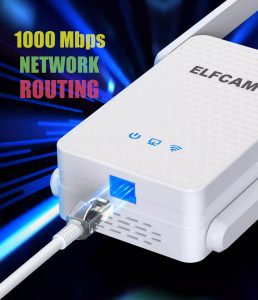
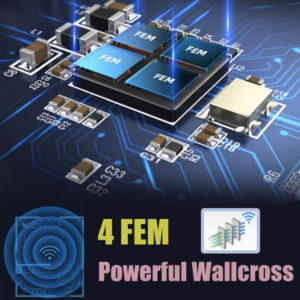
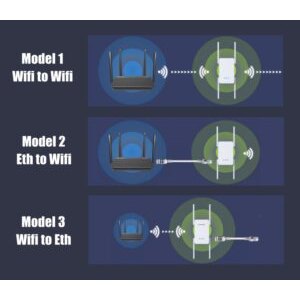
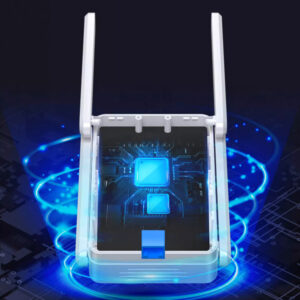
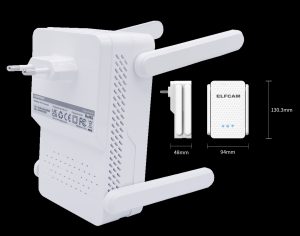
- WiFi 6 Repeater AX3000 — extends coverage without cabling
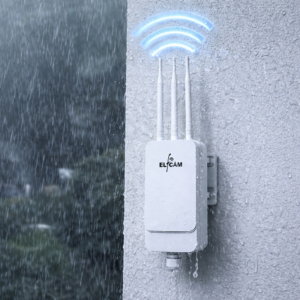
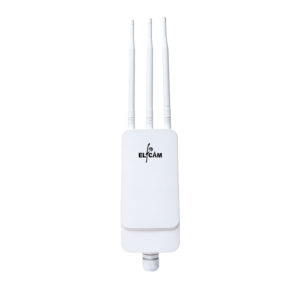
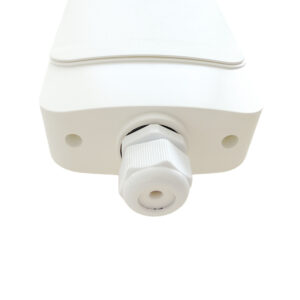
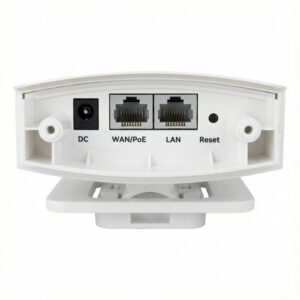
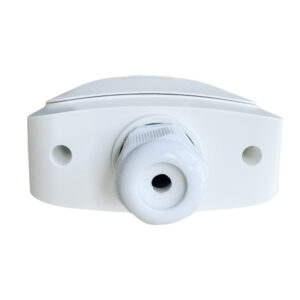
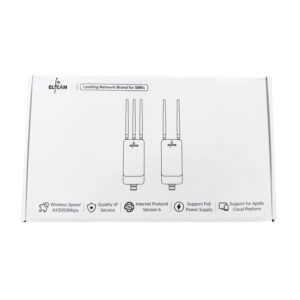
- Outdoor WiFi 6 AP IP67 AX3000 — covers garden, terrace
- Cat 6/7/8 Ethernet cables — connect CPE and WiFi 6 router
- PoE switches — power cameras and APs
Where does deployment stand in 2026 ?
Arcep and operator figures at the end of 2025 :
- French population covered by 5G : ~85% (vs 30% in 2021)
- 5G NSA : near-complete national deployment
- 5G SA : gradual 2024-2027, already available at Free and Bouygues in certain areas
- 5G mmWave : pilot, professional use only (ports, airports, factories)
- 5G smartphones sold : > 80% of new sales in 2025
Tip : keep your 4G as a backup
Even in 2026, 4G remains essential : it covers 5G dead zones, low-power connected objects, and serves as a fallback when 5G is saturated or unavailable. All 5G smartphones are backward-compatible with 4G. Don't wait for the "end of 4G" — it's planned for well after 2035.
FAQ — 5G vs 4G
1Should I switch to a 5G plan ?
2Is 5G dangerous for health ?
3Does 5G consume more battery ?
45G and WiFi, competitors or complementary ?
5What is the difference between 5G NSA and 5G SA ?
- 5G NSA (Non-Standalone) : 5G signal but 4G core, latency 15-25 ms, speeds 300-600 Mbps
- 5G SA (Standalone) : native 5G core, latency < 10 ms, speeds 500 Mbps - 2 Gbps, network slicing
6Do old SIM cards work on 5G ?
7Can a 5G box replace fibre ?
- Advantages : immediate installation (SIM + power), no works, mobility
- Disadvantages : higher latency (10-25 ms vs 1-5 ms fibre), fair-use data often at 100-500 GB/month, dependence on local 5G coverage
8Elfcam accessories for a 5G setup ?
In summary
5G clearly outperforms 4G on three technical axes : speed (×5 to ×20), station density (small cells, beamforming) and latency (-50 to -90%). It unlocks uses impossible on 4G : autonomous vehicle, Industry 4.0, telemedicine, cloud gaming, wireless fixed box.
In 2026, 5G NSA is deployed everywhere in cities, 5G SA is arriving gradually. For home use, complement your 5G box with a WiFi 6 Mesh router, a repeater or an outdoor IP67 AP depending on your needs.