4G CPE : the 3 types and their features in 2026
Contents
Are you looking for a 4G LTE CPE but feel lost among the technical references ? Cat 4, Cat 6, MIMO 2×2 or 4×4, internal or external antennas, indoor or outdoor IP65 : each model targets a specific use case, and choosing blindly leads to disappointing performance.
This guide presents the three main families of 4G CPE in the V-SOL / ELFCAM ecosystem : Cat 4 for basic use, Cat 6 for modern remote work, and outdoor CPE for poorly covered areas. For each category, technical specifications, concrete use cases and recommendations for complementary equipment for a modern WiFi 6 setup.
Reminder : what is a 4G CPE ?
A 4G CPE is a terminal device that :
- Receives 4G LTE signals from the operator's relay antenna via a SIM card
- Converts these signals into WiFi and Ethernet
- Distributes the connection to several devices (PC, TV, smartphones)
- Can integrate VPN, firewall, VoIP depending on the model
It is the ideal solution for areas without fibre or decent ADSL, or as a backup for an existing wired line. For a complete overview, see our 4G LTE CPE guide.
4G LTE Cat 4 CPE : the entry level
The historic category, max throughput 150 Mbps downlink / 50 Mbps uplink. Three typical models :
XNC1841 — Indoor standard
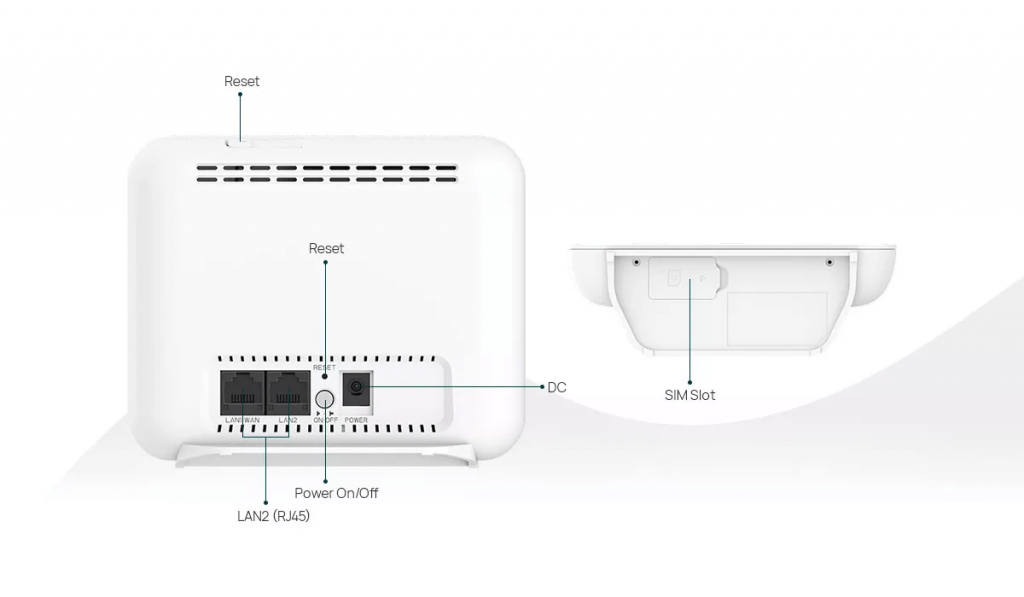
- 1 WAN/LAN port + 1 LAN port + 1 input port
- SIM slot
- Internal 2×2 MIMO antennas
- WiFi 802.11 b/g/n (WiFi 4 2.4 GHz only)
- Internet access via LTE FDD / LTE TDD / WCDMA
- Up to 150 Mbps
Use case : standard household, second home, office of 2-5 people. HD streaming, video calls, basic online gaming.
XRC5241 — Multi-device with backup
- 2×2 external antennas for better reception
- 4G backup : automatic failover if the main WAN goes down
- Throughput : 50 Mbps UL / 300 Mbps DL
- 32 devices simultaneously max
- VPN (PPTP, L2TP, IPSec)
- Integrated firewall
- Local and remote management
Use case : smart home, vending machines, bank branches, retail chains. High reliability required.
XRC5242 — External WiFi antennas
- 2 external WiFi antennas + 2 external LTE antennas (4 in total)
- Advanced WiFi chipset with OFDM for multi-client stability
- 4G backup / RJ45 WAN (failover to existing PON/DSL/CPE)
- Ideal for video conferences and corporate presentations
4G LTE Cat 6 CPE : the compromise
The Cat 6 category in 2026 : max throughput 300 Mbps downlink / 50 Mbps uplink thanks to Carrier Aggregation (2 channels). Flagship models :
XKC7241 — Advanced with voice
- Internal 4×4 LTE MIMO + 2×2 WiFi MIMO antennas
- Voice port for VoLTE or VoIP
- USIM + standard 3FF SIM slot
- Auto-MDI/MDIX on LAN port
XNC1842 — WiFi 5 dual-band
- 1 WAN/LAN port + 3 LAN ports
- 1 micro-USB port
- 4×2 MIMO antennas
- WiFi 5 dual-band (2.4 + 5 GHz) at 300 Mbps
Cat 6 use case : remote work, 4K streaming, connected family, office of 5-15 people. Best value for money in 2026.
Outdoor 4G CPE : for difficult areas
When the 4G signal is weak indoors, an outdoor CPE with high-performance antennas placed outside (roof, façade) makes all the difference. Typical model XKC7243 :
- 1 RJ45 Gigabit PoE port
- 1 SIM slot
- IP65/IP67 weatherproofing
- Integrated high-gain directional antennas
- Powered via the Ethernet cable from indoors (PoE)
- A single Ethernet line = data + power
Typical installation : CPE mounted on the outdoor wall or a pole pointed towards the relay antenna, Cat 6 cable running through the wall to an indoor PoE switch, then to the WiFi 6 Mesh router. Typical throughput : +50 to +100% vs an indoor CPE in a weak-signal area.
Comparison of the three categories
| Criterion | Cat 4 indoor | Cat 6 indoor | Outdoor |
|---|---|---|---|
| Max downlink throughput | 150 Mbps | 300 Mbps | 300-600 Mbps |
| MIMO | 2×2 | 4×4 | High-gain directional |
| Built-in WiFi | WiFi 4 2.4 GHz | WiFi 5 dual-band | Sometimes internal WiFi 5 |
| Weatherproofing | No | No | IP65/IP67 |
| Power supply | 220V mains | 220V mains | PoE Ethernet |
| Signal in weak-coverage area | Limited | Medium | Excellent |
| Installation | 5 min | 5 min | 30-60 min (wall drilling) |
| Estimated price | 100-180 € | 200-350 € | 300-600 € |
For a family in a decent 4G area, Cat 6 is optimal. For a difficult rural area, the outdoor CPE radically changes the experience.
How to choose ?
Case 1 : second home in a decent 4G area
A Cat 6 indoor CPE such as the XNC1842 + a WiFi 6 Mesh AX3000 router in bridge mode for modern WiFi. Total cost 400-550 €.
Case 2 : rural area with weak 4G signal
An outdoor CPE such as the XKC7243 on the outdoor wall with an oriented antenna + an indoor PoE switch + a WiFi 6 router or HGU. Total cost 500-800 €. Throughput 2-4× better than an indoor CPE.
Case 3 : vending machine, branch, pro IoT
A Cat 4 CPE with VPN and firewall (XRC5241). 4G backup for an existing wired network. Main fibre converter + 4G CPE backup. Cost : 200-400 € CPE + VPN licence.
Case 4 : remote work + modern family
A Cat 6 CPE with WiFi 5 dual-band (XNC1842) or a Cat 12+ CPE from competing brands (Huawei, Zyxel). External antenna optional if the signal is borderline. Complement with an outdoor IP67 WiFi 6 AP for the garden.
Complementary Elfcam WiFi 6 equipment
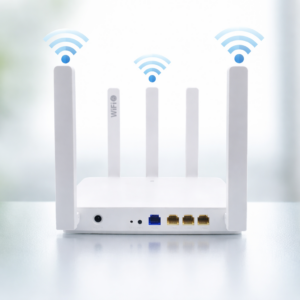
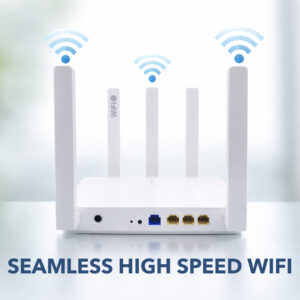
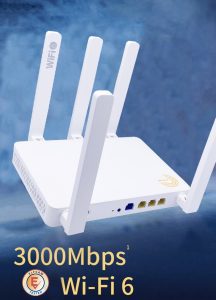
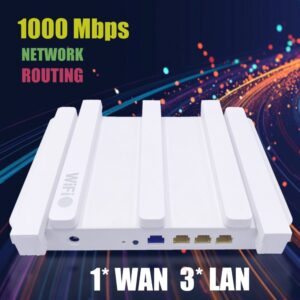
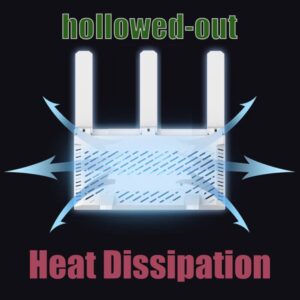
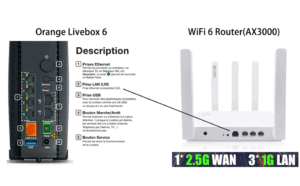
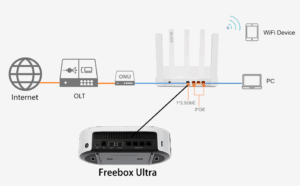
- WiFi 6 Mesh AX3000 router — bridge behind the CPE for modern WiFi
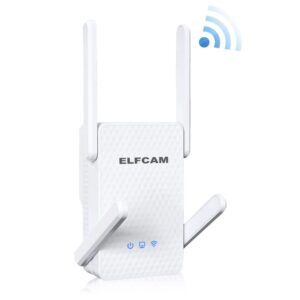
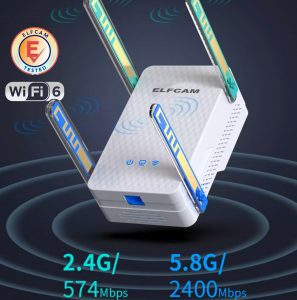
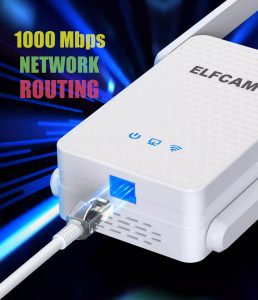
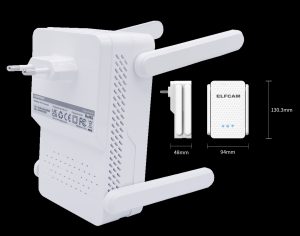
- WiFi 6 AX3000 repeater — extends coverage
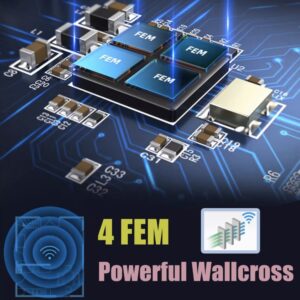
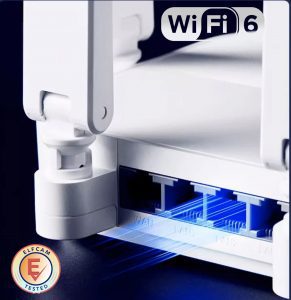
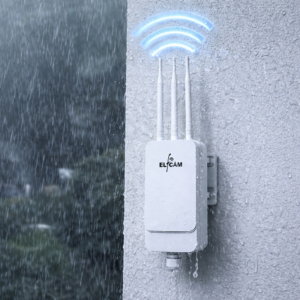
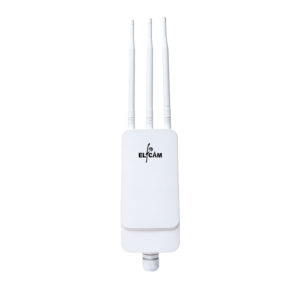
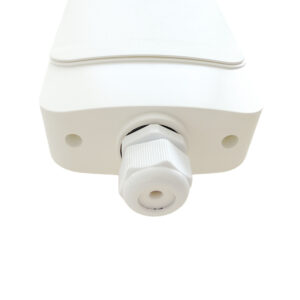
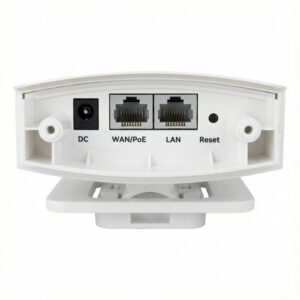
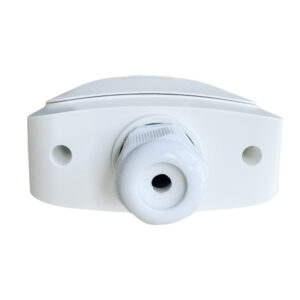
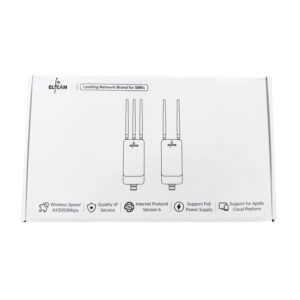
- Outdoor IP67 WiFi 6 AP — garden, outbuilding coverage
- Gigabit PoE switches — power the outdoor CPE and cameras
- Cat 6/7/8 Ethernet cables — high-performance interconnection
FAQ — 4G CPE and models
1Cat 4 or Cat 6 : what is the concrete difference ?
- Cat 4 : 20-80 Mbps effective
- Cat 6 : 40-180 Mbps effective
2Internal vs external antennas ?
- Internal : more discreet, sufficient in a covered area
- External 5-8 dBi : +30-80% gain in a weak-signal area
- External directional antenna 12-20 dBi : +100-300% in a very weak area, but requires careful outdoor installation
3Can I use a Chinese 4G CPE in France ?
- B1 (2100 MHz), B3 (1800 MHz), B7 (2600 MHz) generally OK
- B20 (800 MHz) critical in rural France — not always supported on Asian models
- B28 (700 MHz) increasingly used — check it
4How do I install an outdoor CPE ?
- Identify the direction of the relay antenna (OpenSignal app, Arcep site)
- Mount the CPE on the outdoor wall or a pole, point it towards the relay
- Insert the SIM card into the CPE
- Drill a weatherproof Cat 6 Ethernet cable passage to the indoors
- Connect to an indoor PoE switch
- Add a WiFi 6 Mesh router behind it for WiFi distribution
5A 4G CPE with built-in VPN, is it really useful ?
- Remote work with access to corporate resources
- A branch or distributor requiring a secure link to headquarters
- Protection against eavesdropping on public networks
- Geographic unblocking of services (responsible use)
64G CPE or fibre HGU ?
- Fibre eligible : go for a fibre HGU. Throughput 10-100× higher, lower latency, no fair-use
- No fibre : a 4G Cat 6+ CPE or a 5G CPE depending on availability and budget
7VoLTE voice on a CPE, how does it work ?
8Elfcam delivery for 4G CPE and accessories ?
In summary
4G CPEs come in three main families :
- Cat 4 indoor : entry level 150 Mbps, standard household and IoT
- Cat 6 indoor : 300 Mbps, remote work and modern family
- Outdoor IP65/IP67 PoE : poorly covered areas, maximum throughput
To get the most out of your 4G CPE, complement it with a WiFi 6 Mesh AX3000 router in bridge mode, an outdoor IP67 AP for garden coverage, and quality Cat 6 Ethernet cables. This Elfcam + manufacturer CPE combination offers a network experience comparable to entry-level fibre everywhere in France.